
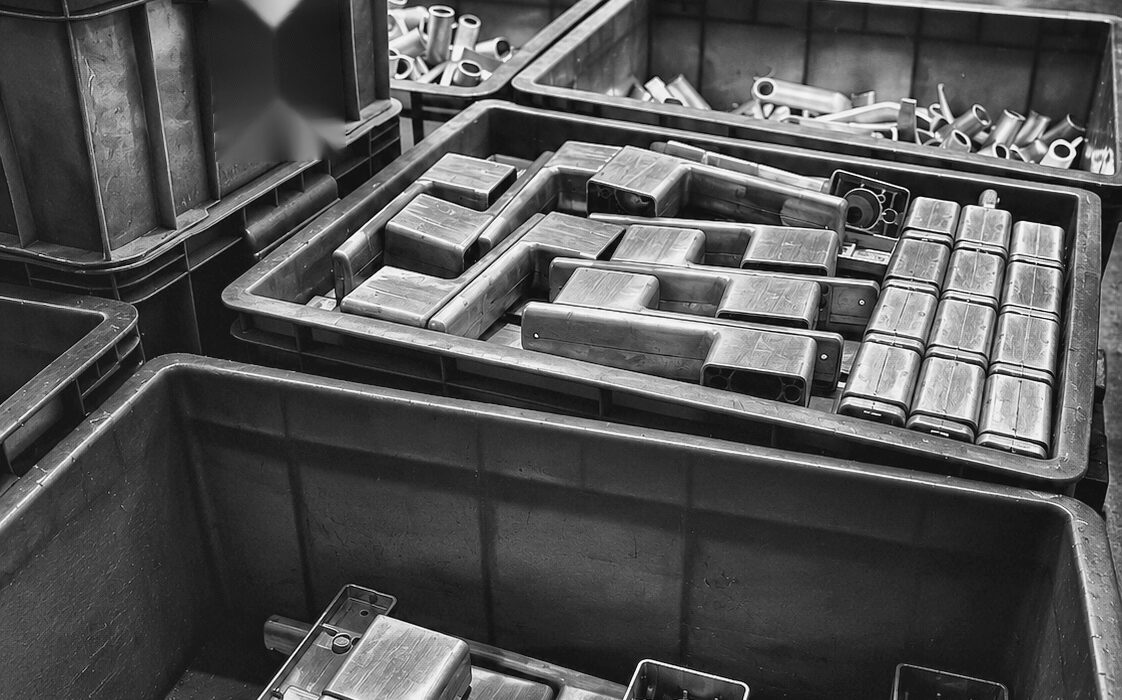
When buyers evaluate a minimalist door lock, they usually focus on the finished appearance: the smoothness of the surface, the cleanliness of the edges, the consistency of the finish, and the overall precision of the handle body. In manufacturing, however, those results are shaped much earlier in the process.
For MND, the quality of a premium minimalist lock begins with the die-cast zinc alloy body and continues through disciplined polishing and inspection. If the raw part is unstable, porous, or deformed, the final finish will always be more difficult to control. That is why we pay close attention to how the part is cast before it reaches the finishing stage.
Why Die-Casting Has a Direct Impact on Final Surface Quality
In zinc alloy door handle production, the die-casting stage does more than create the basic shape. It influences density, dimensional stability, and the quality of the surface base. Those factors directly affect what can be achieved later in polishing, electroplating, or painting.
If the raw body already contains pores, blisters, spot marks, or distortion, later processes can only do so much. For a minimalist lock, where surfaces are broad and lines are visually clean, these defects are easier to notice than on more decorative hardware. This is one reason process control matters so much in premium lock manufacturing.
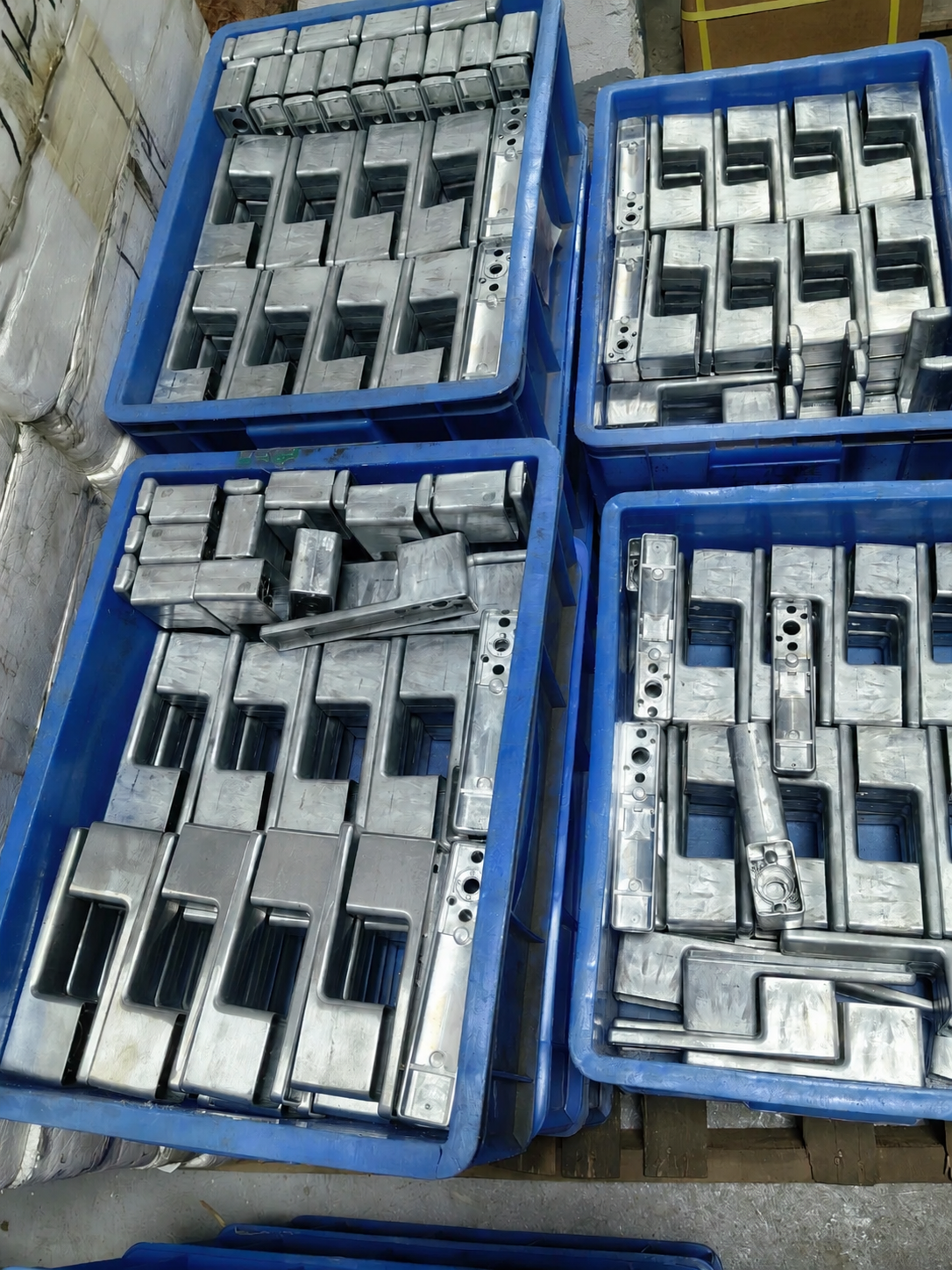
1. 200T-260T Die-Casting Machines for Higher Density
MND uses 200T-260T die-casting machines for the zinc alloy handle bodies used in our minimalist lock system. The higher machine tonnage helps improve material density and casting stability. In practical terms, that supports a lower reject rate and reduces the likelihood of visible pores or blisters on the surface base.
For premium minimalist hardware, this is especially important. Because the design language is clean and restrained, there is less visual distraction. Any instability in the raw body is more likely to become visible after the finishing process. A stronger die-casting foundation helps us control that risk earlier.
2. A More Controlled Opening Cycle Helps Reduce Deformation
Another point we focus on is the opening time of the die-casting cycle. Our opening time is around 6 seconds, which is significantly slower than the faster cycles often used in lower-cost production environments such as Wenzhou. The purpose is not simply to slow production. It is to improve stability and reduce deformation, spot marks, and other quality problems that increase reject rates.
The machine must be heavy and stable enough to hold the raw body in shape. If the die-casting force is not sufficient, the blank can deform. Once that happens, it affects not only appearance, but also the consistency of later polishing and surface finishing.
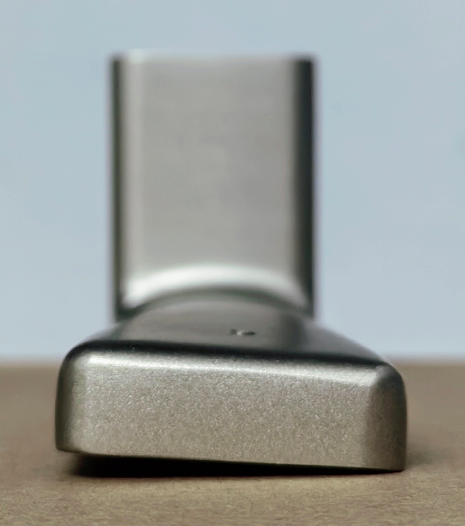
Why this matters for buyers: even if two finished products look similar in a photo, the one built on a more stable raw casting usually delivers better consistency, lower defect risk, and a cleaner final result in premium interior projects.
Polishing Is Where the Surface Standard Becomes Visible
After die-casting, polishing becomes the next key step. MND operates a dedicated polishing workshop for products supplied to overseas markets. In this stage, the objective is not simply to make the part look brighter. The objective is to refine the surface base so that the final finish can appear smooth, stable, and visually clean.
We also maintain clear internal inspection standards at this stage. Parts with blistering, wave marks, or shape issues are not accepted into the next process. This is important because once a surface defect is carried forward, it becomes harder to correct later.
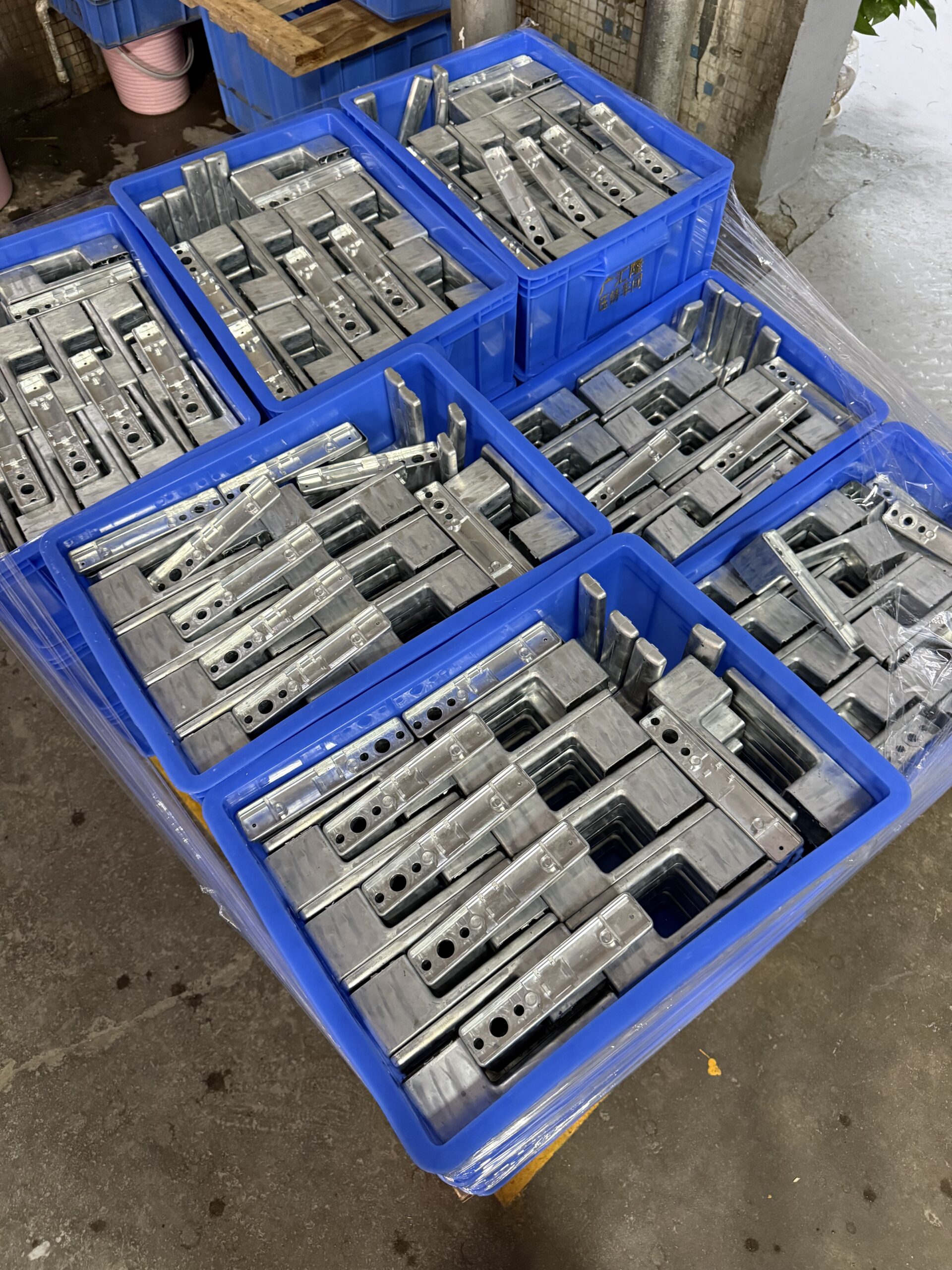
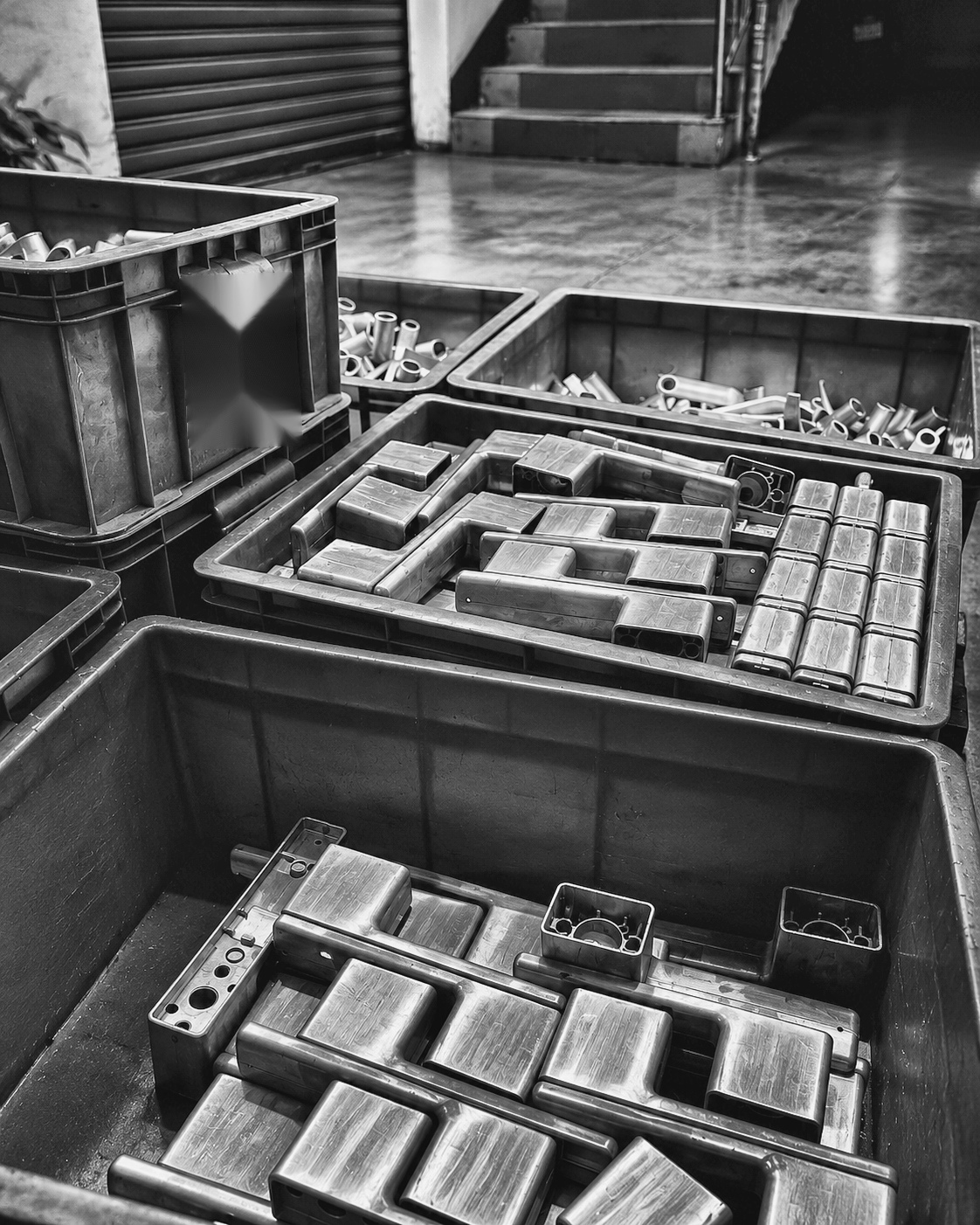
Our 4-Step Polishing Workflow
- Rough polishing to remove the most obvious roughness and prepare the base shape.
- Polishing again to refine the surface and improve consistency before nylon wheel treatment.
- #240 nylon wheel to smooth the rough areas further and reduce uneven transitions.
- #320 and #400 nylon wheel to create a finer and more even surface base for the finishing stage.
The goal is to gradually move the part from a rough raw surface to a smoother and more even base before electroplating or painting. On a minimalist lock, this matters because flat areas, clean corners, and straight lines are all easier to read visually. Surface inconsistency that might be overlooked on other hardware becomes much more obvious here.
Surface Preparation Affects More Than Appearance Alone
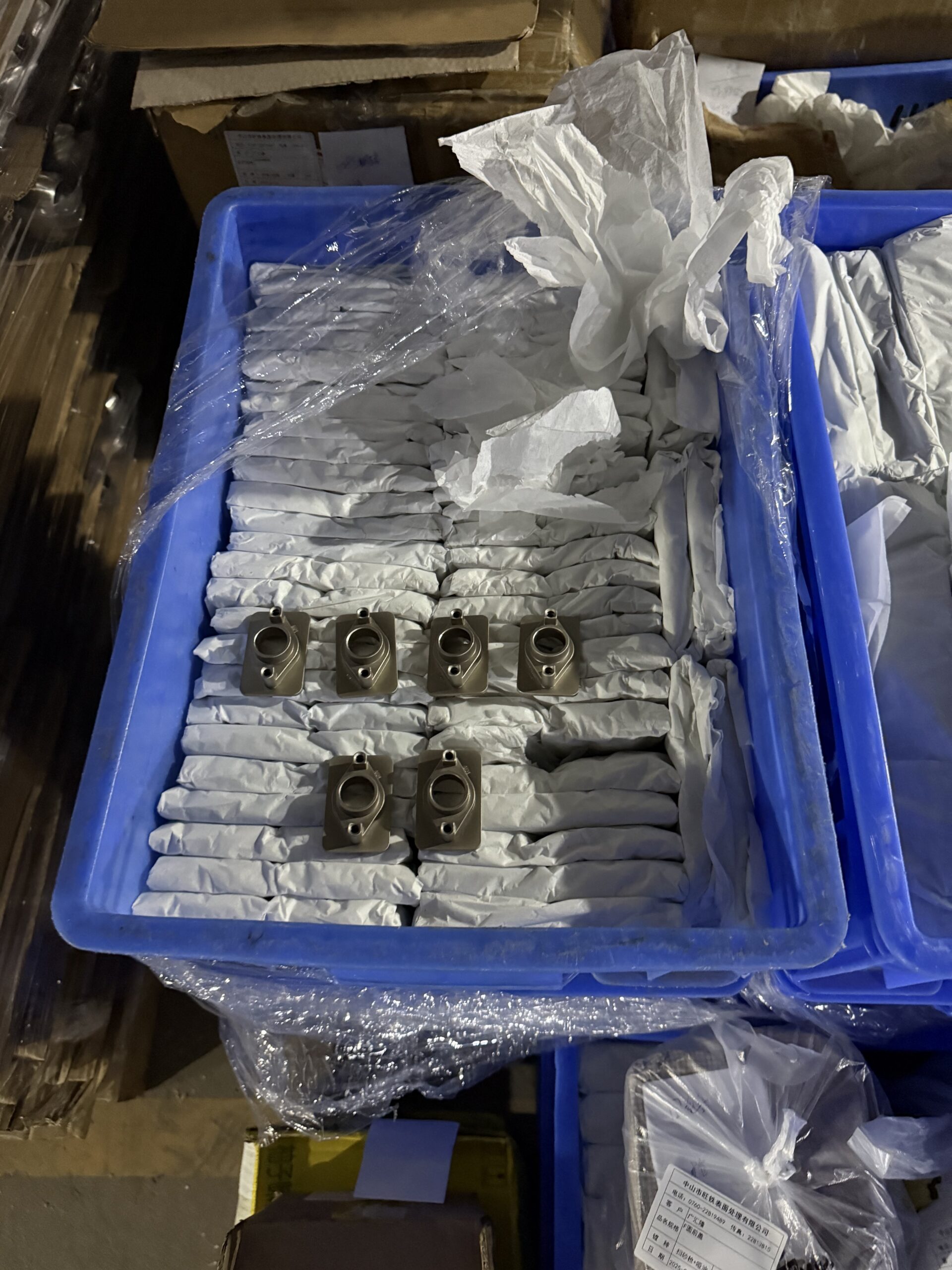
For premium projects, surface preparation is not just a visual step. It also affects consistency from part to part and supports a more reliable finishing result. A cleaner base surface helps improve the final look and reduces the chance that defects become visible after electroplating or painting.
This is why MND does not rely on the finishing layer to hide earlier problems. If the raw body shows blistering, waviness, or distortion, the correct approach is to control the issue before it moves forward. For minimalist hardware supplied to export markets, the final product has to stand up to closer inspection, not just look acceptable in a catalog image.
What This Means for a Premium Minimalist Lock Supplier
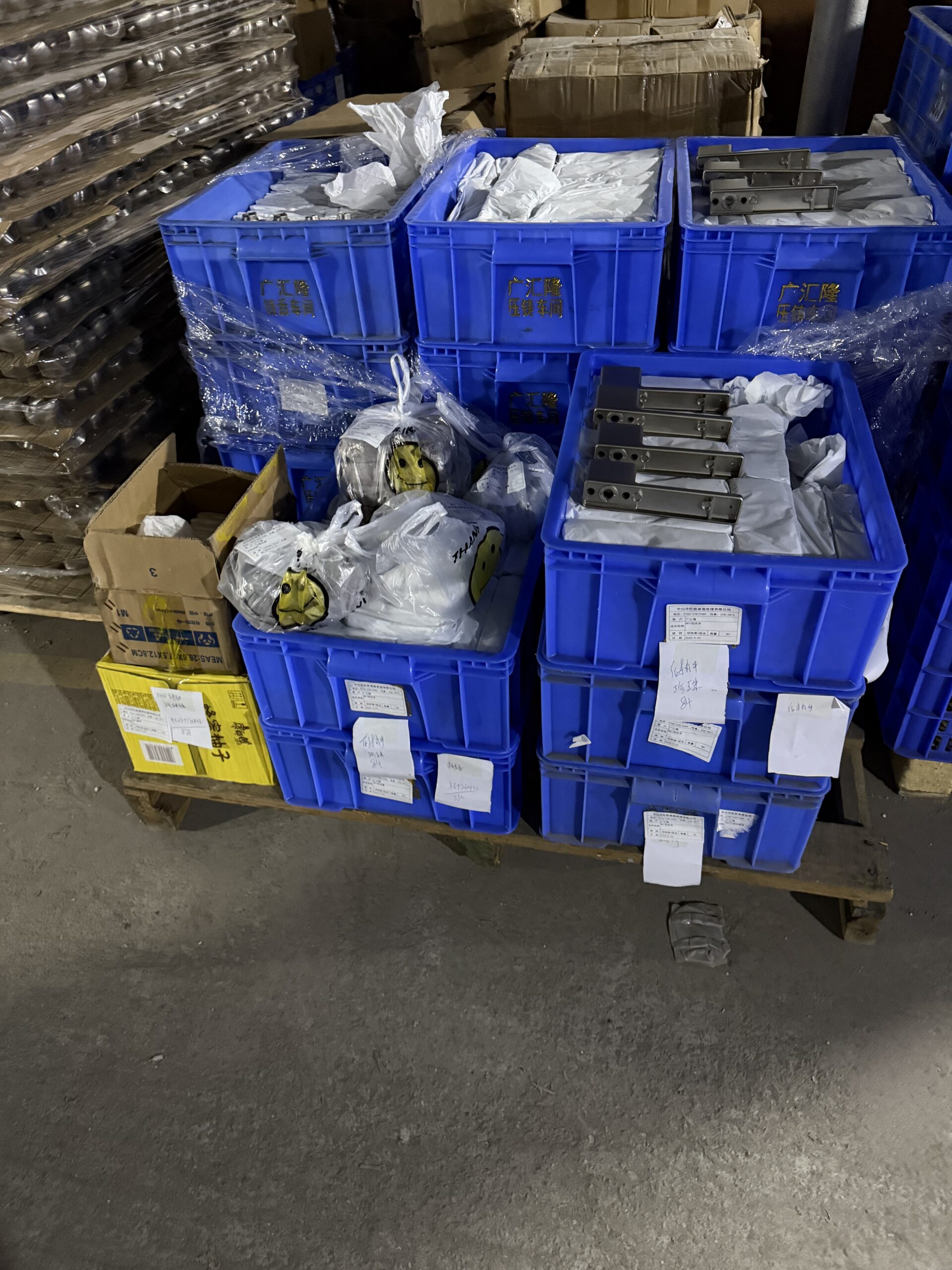
A premium minimalist lock is not defined only by its shape. It also depends on the quality of the raw body, the stability of the casting process, and the discipline of surface preparation before finishing. This is why machine tonnage, opening cycle control, polishing sequence, and inspection standards all matter in practice.
For MND, die-casting and polishing are not background details. They are part of the quality logic behind the product. They help reduce reject rates, support better consistency, and contribute to the clean and refined finish expected in premium architectural hardware.
To learn more about our minimalist door handle lock collection, you can also review our existing product range and application direction on the website.
Discuss Your Minimalist Lock Project With MND
If you are sourcing premium minimalist door locks for your market, send us your finish expectations, design direction, and project requirements. We can share more about our die-casting control, polishing standards, and manufacturing approach for export-grade minimalist hardware.